
 A flashlight for the car: what it must have
A car light has one job: to work after two years in the glovebox. Why the hazard mode matters more than lumens and what to expect from solar.
 Warm vs. cool light: which colour temperature to choose
Colour temperature decides whether you see the road in fog or a white wall. What kelvins mean and why high CRI matters out in the field.
 How many lumens and how much intensity? The difference on our own numbers
Lumens, candelas, lux and beam distance – four units people mix up. Explained on real OUTEQ specs, including the formula for beam distance.
 Tactical vs. pocket flashlight: the difference and when each pays off
The word “tactical” is on every second flashlight now. Which design details actually justify it and when a pocket light is the better buy.
 Li-ion batteries in flashlights: how they work and how to care for them
Capacity in mAh, cell formats and Li-ion care. What heat, frost and deep discharge do to a battery and how to get the most cycles from it.
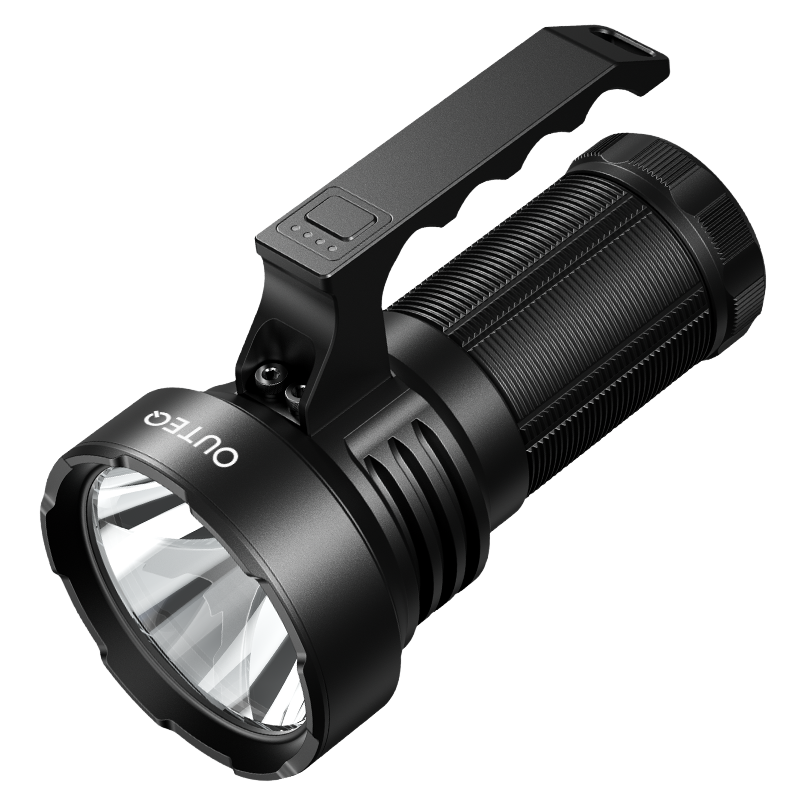 How to care for a flashlight so it lasts years
Threads, seals and battery care, plus a few habits that extend the life of your flashlight and headlamp – and three things that kill them.
 Running at night: how to light up the trail properly
Stability, weight, beam shape and visibility – what to look for in a running headlamp and how to light the trail so you see and are seen.
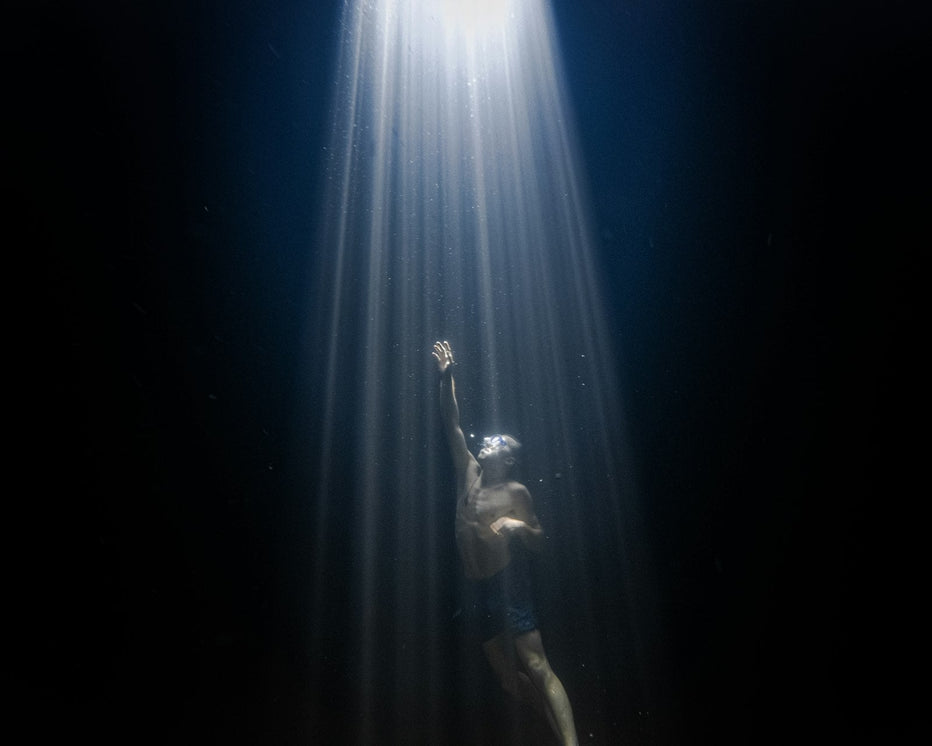 What does an IP rating mean? Flashlight water resistance in practice
IPX4, IP65, IP68 – what those numbers really mean, the difference between splashing water and full immersion, and what you need for rain.
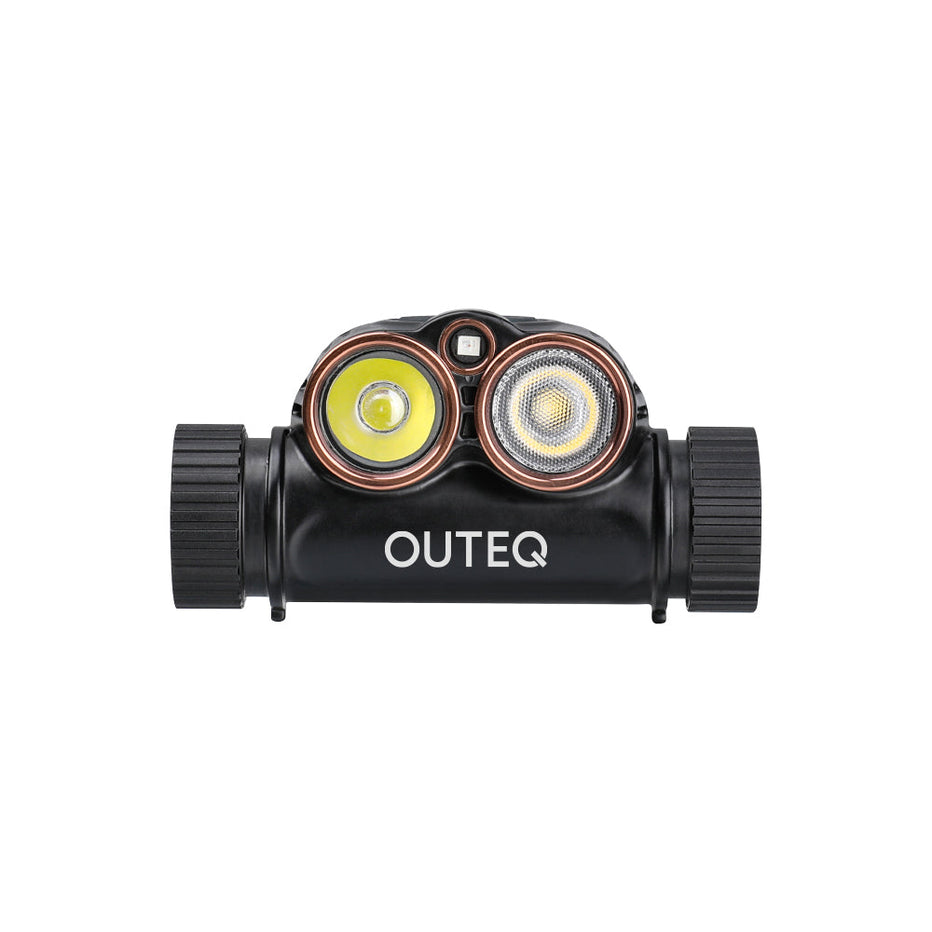 How to choose a headlamp: lumens, beam distance and modes
How many lumens are enough? What beam distance for the trail and what for the workshop? A practical guide to picking a headlamp by specs.